
Farrer Commercial Bird Netting
Farrer commercial bird netting offers durable, flame retardant stainless steel mesh designed to protect buildings and outdoor areas from birds and wildlife. Ideal for effective bird control in both commercial and residential settings.
Understanding Bird Netting Materials
What materials are commonly used for bird exclusion?
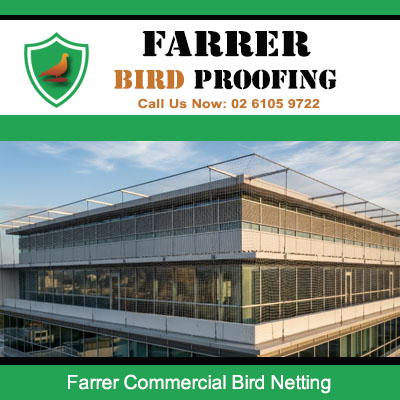
Bird exclusion netting is made from different materials that provide strong and effective pest control. Common materials include stainless steel, nylon, polyethylene (PE), and wire rope. Stainless steel wire and wire rope offer high strength and long life, making them suitable for commercial bird netting where durability matters most. Nylon and polyethylene nets, especially those made from high-density polyethylene (HDPE), are lightweight yet heavy duty, suitable for many environmental conditions.
Knotted netting often comes in mesh sizes like 3mm, 5mm, and 19mm, with diamond-shaped mesh that effectively keeps birds away. These designs combine strength and flexibility to protect without harming wildlife. Plastic and twine nets are less common in commercial use but offer affordable options for small-scale bird control.
Australian brands focus on product quality by including flame retardant and weather-resistant features. This ensures the netting performs well under harsh environmental conditions such as strong winds, UV exposure, and bushfire risks.
How does mesh size affect bird control effectiveness?
Mesh size is key to how well bird control works. Smaller mesh sizes like 3mm and 5mm block small birds and even insects, providing strong protection in sensitive areas. Medium mesh sizes such as 19mm and 20mm diamond mesh balance durability and coverage, keeping out many bird types while allowing air and light through.
Larger mesh sizes like 40mm, 50cm, and 75mm suit bigger bird species but may let smaller birds pass. Choosing the right mesh size depends on which birds you want to keep out and the specific pest control needs.
High-density polyethylene knotted nets with the right mesh size create barriers that birds cannot get through. Picking the correct mesh density helps ensure birds are deterred safely, without harm.
What are the benefits of using fire-retardant netting?
Fire-retardant or flame retardant bird netting adds important safety, especially in bushfire-prone areas like much of Australia. This netting meets workplace safety rules and fire regulations, making it suitable for commercial use where fire risk is a concern.
The flame resistance lowers the risk of sparks setting the netting on fire, offering safety along with pest control. Fire-retardant netting keeps its strength and usefulness even in harsh environmental conditions, providing long-lasting, premium protection.
Using flame retardant netting helps protect property and wildlife, while still controlling birds effectively.
What role does UV protection play in netting durability?
UV protection helps bird netting last longer when used outdoors. Netting with UV resistance stands up to sun damage, preventing material from breaking down, becoming brittle, or losing colour.
This waterproof shade feature improves weather resistance and cuts down on maintenance over time. UV-protected netting stays strong and flexible, keeping bird control reliable throughout the year.
For commercial bird netting, choosing products with solid UV protective coatings means a longer life and fewer replacements.
Is bird control netting wildlife safe?
Making sure bird control netting is wildlife safe is very important for ethical reasons. Modern bird protection netting is designed to be humane and cause no harm, allowing good pest management without risking injury to birds or other animals.
Materials and mesh sizes are picked to exclude pest birds while letting protected birds and other wildlife avoid getting caught. This respects local environmental conditions and supports biodiversity.
Commercial bird netting usually meets strict wildlife safety standards, giving users confidence they are using responsible bird pest control methods.
Have you used different types of bird netting? Share your experience or ask questions about choosing the best material for your needs. Explore our range of durable, fire-retardant, and wildlife-safe bird netting made for Australian conditions.
Planning Your Commercial Bird Netting Installation
What factors should I consider when choosing a netting supplier?
Choosing a reliable supplier is important for your commercial bird netting project. When searching for Farrer commercial bird netting or other commercial bird netting options in Australia, keep these points in mind:
- Product Quality: Look for netting that is strong, UV-resistant, and meets Australian standards. High-quality mesh lasts longer and offers better bird protection.
- Customer Service: Select suppliers with professional and helpful teams who offer clear advice and technical support. Verified business names and good reviews show trustworthy service.
- Availability and Delivery: Check product availability and delivery times to avoid delays. Reliable suppliers keep enough stock to meet commercial needs.
- Warranty and Support: Choose products with warranties and ongoing support. This protects you if problems happen after installation.
- Cost and Quotes: Ask for detailed quotes showing all costs, including materials, delivery, and any technical help.
- Local Expertise: Using local suppliers like those specialising in Farrer bird netting helps ensure the product suits regional pest control needs and meets Australian rules.
Focusing on these factors will help you get a good supplier and a strong bird control solution for your commercial property.
How do I calculate the amount of netting needed for my space?
To get the right amount of bird netting commercial, follow these steps:
- Measure the Area: Measure the length and width of the area to cover, including roofs, warehouses, doors, and louvres.
- Calculate Square Metres: Multiply length by width to find the total area in square metres.
- Consider Mesh Size and Specifications: Pick a mesh size suitable for the birds and the location, balancing protection with airflow.
- Add Extra for Overlap and Fixings: Include extra netting for overlaps and attachment points to make sure the entire space is covered.
- Rolls and Custom Sizes: Suppliers provide rolls in standard or custom sizes. Ask if custom sizes can reduce waste.
Accurate measuring and planning prevent shortages or extra material and ensure good commercial bird protection.
What is the best way to attach netting to different structures?
Securing the netting properly keeps it effective and safe. The attachment method depends on the structure—such as roofs, buildings, warehouses, doors, or louvres:
- Hardware Options: Use strong fasteners like wire rope, turnbuckles, carabiners, screws, bolts, crimps, swages, and eyelets made for netting.
- Fit with Structure: For steel girders and aluminium frames, choose hardware that can hold the netting’s weight and tension without damaging the building.
- Strength and Safety: Make sure attachments can handle weather and bird activity without sagging or falling off. Wire ropes and turnbuckles allow adjustments to keep netting tight.
- Professional Installation: Experts familiar with Farrer netting systems can install the netting properly and follow workplace safety rules.
Using the right method for each structure improves netting performance and provides long-lasting bird control.
What tools are necessary for commercial netting installations?
Installing commercial bird netting needs specific tools for accuracy and safety:
- Measuring Tools: Measuring tapes and ladders help you get exact dimensions and access high places safely.
- Cutting and Fastening Tools: Wire cutters, pliers, screwdrivers, drills, crimps, swages, zip ties, and installation kits help secure the netting neatly.
- Attachment Hardware: Turnbuckles, carabiners, screws, bolts, and fasteners keep the netting firmly in place.
- Safety Gear: Gloves, helmets, harnesses, and safety glasses protect workers when working at height or handling sharp tools.
- Professional Equipment: For large commercial sites, specialised tools make installation faster and safer.
Having the right tools and safety gear ensures a smooth installation that meets professional and safety standards.
What are the installation requirements and regulations?
It is important to follow Australian rules and installation guidelines for commercial bird netting:
- Workplace Safety: Installations must comply with workplace health and safety laws to protect workers and others.
- Australian Standards: Use fire retardant, UV-protected netting that meets standards to reduce fire risk and wear.
- Permits and Building Codes: Check if you need permits from local councils before installing netting on commercial buildings.
- Environmental and Ethical Factors: Choose mesh sizes that protect native wildlife while controlling pest birds safely.
- Netting Durability: Select flame retardant and UV-stabilised netting for long-lasting use in tough conditions.
- Maintenance: Regularly inspect and maintain netting to keep it effective and compliant.
Following these rules helps meet legal requirements and supports ethical bird control for your commercial property.
If you have questions about your commercial bird netting project, contact our team for advice or share your installation experience below. Your feedback helps us improve and assists other businesses in choosing the best bird protection solutions.
Maintaining Your Commercial Bird Netting
How often should bird exclusion netting be inspected?
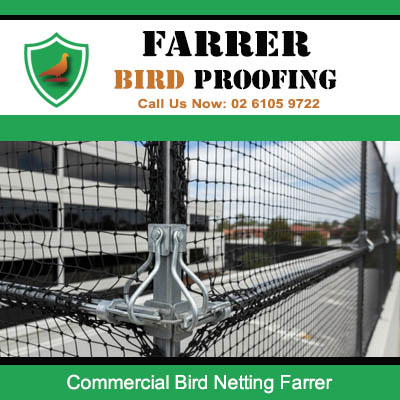
Regular inspection of commercial bird netting is important to keep it durable and effective. Check the netting at least twice a year, and also after bad weather like storms. During inspections, look for any damage, loose parts, or signs of wear that might let birds or wildlife get through the mesh. Fixing issues early helps prevent expensive repairs later. Make sure the netting was installed correctly, as proper installation reduces problems. Regular checks help your commercial bird netting system work well and protect your property.
What are the common causes of netting damage?
Knowing what causes damage can help you protect nets for commercial use. Common causes include:
- Debris build-up: Leaves, branches, and rubbish can tear or weigh down the netting.
- Hail and weather effects: Storms, strong winds, and sun exposure cause wear and UV degradation.
- Rodents and pests: Animals may chew holes in the mesh.
- Bird activity: Heavy bird traffic, especially from large birds, can strain the netting.
- Wear and tear: Over time, the mesh becomes weaker.
- UV degradation: Sunlight can break down fibres if the netting lacks good UV protection.
- Fire retardant materials: Some fire retardant netting needs proper care to avoid faster wear.
Knowing these causes lets you act early and keep your netting in good condition longer.
How do I repair netting tears or holes effectively?
Fixing netting tears or holes quickly helps maintain strong commercial bird protection. Use this method:
- Check the damage: Note the size and place of the tear or hole.
- Choose the right materials: Use stainless steel wire, twine, crimps, swages, or wire rope.
- Gather tools: Pliers, cutters, and tensioners help secure repairs.
- Repair process: Small tears can be woven closed with twine or stainless steel wire. Larger holes may need patches attached with crimps and swages.
- Secure attachments: Make sure fixes are tight so they hold up against birds and weather.
For best results, consider hiring professionals with experience in commercial bird netting repairs to ensure a strong and lasting fix.
How do I clean bird netting without damaging it?
Cleaning bird netting carefully keeps it working well and preserves its mesh and fire retardant features. Follow these tips:
- Use water and soft brushes to remove bird droppings and dirt gently.
- Use mild detergents in small amounts; avoid harsh chemicals that can damage the net.
- Rinse the netting well to remove all soap residue.
- Avoid high-pressure washing because it can tear the mesh or harm fire retardant qualities.
- Clean regularly to stop debris build-up that attracts pests or causes damage.
These steps keep your netting safe for wildlife and effective for commercial use.
What are the long-term maintenance requirements to maximise lifespan?
To get the longest life from commercial bird netting, follow these care steps:
- Inspect regularly: Find early damage or weak spots.
- Clean often: Keep the net clear of dirt and debris.
- Repair promptly: Fix any tears or loose fittings straight away.
- Use UV-protected netting: Choose netting with UV-resistant coatings suited to Australian conditions.
- Maintain fire retardant netting: Follow manufacturer advice to keep safety features working.
- Use corrosion-resistant hardware: Pick and care for materials that handle local weather and humidity.
- Weatherproof materials: Choose netting built to last outdoors for many years.
Following these maintenance tips will keep your commercial bird netting strong, reliable, and cost-effective in Australia’s environment.
Have questions about maintaining your commercial bird netting? Share your experiences or ask our experts in the comments below. For expert advice or professional installation and repair services, contact Bird Proofing in Farrer today.
Applications of Commercial Bird Netting
What types of facilities benefit most from bird netting?
Bird netting provides effective protection for many types of facilities. Warehouses and storage areas use strong, durable commercial bird netting to keep workplace safety high and prevent contamination. Golf courses, aviaries, gardens, orchards, vineyards, and fruit trees protect their crops and environments by excluding birds without harming wildlife.
In Australian locations like NSW, QLD, Victoria, Melbourne, Sydney, Brisbane, and Darwin, commercial bird-proof solutions are designed to meet local needs. These flame retardant nets combine strength with wildlife safety, offering an eco-friendly way to control pests. Using bird netting helps businesses improve productivity and lower the cost of damage caused by birds.
Is bird pest control for fruit trees and orchards possible?
Yes, bird pest control for fruit trees and orchards works well when using the right bird netting. Agriculture depends on commercial bird protection to guard crops against pest birds that reduce yields. Available netting includes wire rope, diamond mesh bird netting (usually 19mm), twine, nylon, plastic, and stainless steel wire, each suited for different needs.
Choosing the correct mesh size is important to stop small birds while letting air and sunlight reach the plants. Flame retardant and open or non-fire commercial netting options help meet safety standards while shielding the orchard. Using bird netting for crop protection supports sustainable farming by reducing the need for chemicals and protecting valuable produce.
What design is ideal for warehouses and storage areas?
For warehouses and storage areas, the best bird netting design is strong, durable, and simple to attach. Hardware like screws, bolts, crimps, swages, carabiners, eyelets, and turnbuckles make installation secure and easy.
Materials such as aluminium and steel frame the commercial bird netting, ensuring long-lasting protection. The mesh size is chosen to be bird proof but still allow ventilation. Flame retardant features add workplace safety and meet Australian standards.
Professional installation provides efficient, custom protection that reduces maintenance and downtime. This makes it a reliable choice for commercial sites needing bird exclusion.
Can commercial bird netting be used on infrastructure?
Commercial bird netting is useful for infrastructure like roofs, girders, louvres, doors, and building exteriors. Materials including aluminium, steel, and plastic create strong installations that can withstand weather and bird activity.
Attachment methods using bolts, screws, and specialised hardware follow Australian regulations to ensure workplace safety. Flame retardant, wildlife-safe netting protects infrastructure without harming local animals.
Professional installation ensures the net fits well and lasts longer, providing effective protection while keeping the building’s appearance and function intact.
How can netting protect aquaculture and pool areas?
Bird netting protects aquaculture and pool areas by keeping birds, debris, and other pests away from water and fish. Materials such as HDPE, plastic, and stainless steel wire offer durable, water-resistant coverage suitable for ponds and pools.
The mesh size is selected to block birds but allow light and air to pass through. Flame retardant netting improves safety around water, and wildlife-safe designs prevent harm to animals.
Using commercial bird netting in aquaculture helps maintain clean water and healthy fish stocks. This supports effective pest control and follows good practices in water-based industries.
Have questions about the best bird netting solution for your facility? Contact our experts for advice on commercial bird exclusion methods that meet your needs and comply with Australian standards.
Addressing Bird Control Concerns
Does bird control netting prevent all types of birds?
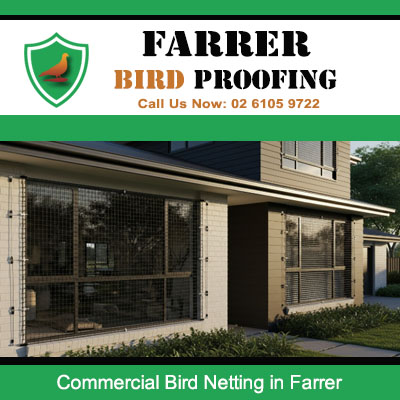
Bird control netting is an effective method for bird exclusion. It works to deter many species, including pigeons and seagulls. The key to success is choosing the right mesh size. Smaller diamond mesh bird nets protect against smaller birds, while larger mesh sizes suit bigger species.
Farrer Bird Proofing provides commercial bird netting that is flame retardant and non-toxic, ensuring safety and long-lasting protection. While no bird netting can stop every bird species, using specialised bird nets for commercial use greatly lowers the chance of bird intrusions. Picking the correct mesh size for the species you want to keep out improves the overall effectiveness of bird control.
Will netting harm the animals it's meant to exclude?
Using wildlife safe bird protection netting helps protect animals from injury when keeping birds away. Proper installation of bird netting minimises the risk of damage or harm to birds and other wildlife.
Farrer Bird Proofing focuses on ethical considerations by using humane, non-toxic, and flame retardant materials. Our bird netting Farrer commercial products are built to handle different weather conditions without harming protected bird species. Regular inspections and maintenance reduce risks such as accidental trapping, making sure bird pest control is carried out responsibly.
How do I ensure the safety of protected bird species?
To protect protected bird species, it is important to use wildlife safe bird protection netting and follow legal requirements. Complying with regulations and pest management rules makes sure bird exclusion methods do not threaten these species.
Regular checks and careful handling during installation help keep bird control netting safe. Using certified bird netting Farrer commercial options meets safety standards. Understanding the environmental conditions also helps adapt bird control methods in a way that is humane and protects protected species.
What are the ethical considerations of netting solutions?
Ethical considerations matter when choosing bird control netting. The welfare of birds, especially protected species, must be balanced with the need to control pests. Sustainable and non-lethal bird netting supports wildlife conservation and protects the environment.
Farrer Bird Proofing offers commercial bird netting that meets community expectations and legal rules. Our netting bird solutions follow humane practices that minimise impact on bird welfare and natural ecosystems. Choosing ethical bird control netting allows businesses to manage bird pests effectively while helping protect wildlife.
How do I handle negative community feedback about netting?
To manage community concerns about bird netting, clear communication and education are important. Being open about ethical considerations shows commitment to humane and wildlife safe bird control.
Farrer Bird Proofing advises using strong customer service and public relations to engage the community. Sharing information about the benefits of commercial bird netting, its non-lethal design, and environmental care helps reduce complaints. Encouraging feedback and offering support builds trust and positive relationships around bird pest control.
We welcome your questions and experiences with bird control netting, how has your approach balanced effective protection with wildlife safety? Share your thoughts below!
What types of mesh are most effective for commercial bird netting?
Commercial bird netting usually uses knotted polyethylene mesh in sizes like 3mm, 5mm, 19mm, and up to 75mm diamond mesh. These nets are strong, UV-resistant, and stop birds such as pigeons from damaging fruit trees, orchards, roofs, and other areas without hurting wildlife.
How does bird netting help with pest and wildlife control in commercial settings?
Bird netting acts as a physical barrier that keeps birds and pests away from workplaces, vineyards, golf courses, and orchards. This protects crops and buildings, improves workplace safety, and is a safer choice than harmful chemicals.
Are these nets suitable for harsh Australian climates?
Yes, the nets are made from flame-retardant, UV-stabilised polyethylene that handles strong sun, hail, and weather in NSW, Victoria, Queensland, and other regions. Steel crimps, swages, ropes, and hardware like turnbuckles and carabiners make sure the nets stay securely attached to different surfaces.
Can the netting be customised for different commercial applications?
Yes, nets can be made in different lengths and mesh sizes to suit many uses such as protecting louvres, roofs, animal enclosures, or aquaculture ponds. They come in black or white and can be used for both permanent or temporary setups.
Is installation complicated, and are DIY options available?
Installation is simple with the right tools, including stainless steel screws, crimps, eyelets, and plastic ties, often provided in kits. For large commercial projects, professional installation is recommended to ensure durability and meet workplace safety rules.
What makes sourcing locally advantageous for commercial bird proofing products?
Local suppliers can dispatch orders faster, offer better customer service, and understand local bird problems. With warehouses in Canberra, customers get quick delivery and access to high-quality materials.
How does bird netting protect against damage while allowing natural airflow and light?
The mesh lets air and light through, which helps keep plants healthy and spaces comfortable. This way, birds are kept out without harming the environment or people nearby.
Are there environmental benefits to using polyethylene bird netting compared to other methods?
Yes, polyethylene nets last a long time and can be reused. They reduce the need for chemical bird repellents, which can harm other animals. These nets protect birds and other wildlife safely while supporting sustainable farming and pest control.
Farrer Commercial Bird Netting Insights
- We provide complete bird netting solutions designed for commercial Farrer use, offering effective bird control for roofs, buildings, and wildlife areas using strong materials like aluminium and steel.
- Our commercial Farrer bird protection systems include quality hardware such as screws, crimps, swages, bolts, turnbuckles, and eyelets, ensuring secure installation and reliable performance in diverse Australian conditions.
- The bird netting Farrer products help prevent pigeon problems and other pest issues, protecting your business sites while staying friendly to wildlife and meeting DPI requirements.
- We offer different net sizes and wire diameters, including 316-grade stainless steel wire mesh, which is waterproof and weather-resistant. These are suitable for locations like mining sites, lawns, ponds, and doorways where bird damage is common.
- Our products come with clear spec sheets and professional advice to assist you in selecting the right netting system, making installation and upkeep simple.
- Choosing local suppliers means quicker delivery, expert customer support via email, and access to top-quality brands in region of Canberra.
- We focus on safety for native animals like possums by recommending netting systems that protect without harm, addressing environmental concerns around your property.
- Our commercial bird netting works well around girders, roofing, and various buildings, providing an effective barrier that reduces health risks and structural harm caused by birds.
- To improve durability and appearance, we use coated wires that resist corrosion and remain strong in different weather, making a long-lasting and efficient shield against bird intrusion.
- We support businesses with customised options and ongoing help, giving expert guidance on installation hardware, tying methods, and adjustments to ensure the best results with netting Farrer products. Latitude: -35.3762203711201, Longitude: 149.1016095164622