
Farrer Balcony Bird Netting
Protect your home with Farrer balcony bird netting designed to keep birds, rodents, and pests away safely and effectively. Our expert bird control and pest services use quality materials like stainless steel and durable mesh for reliable bird protection in Farrer.
Call Now!
Maximising Balcony Use with Bird Deterrents

How can netting improve my balcony space?
Balcony netting is a practical way to keep birds away and make your outdoor area safer and more comfortable. Bird netting for balconies stops pest birds from entering while protecting your balcony from damage and mess. Good quality balcony netting is strong and long-lasting, keeping pests like pigeons and seagulls out without harming wildlife. Custom installations fit securely to handle tough Australian weather, including strong UV rays and wind. Using expert bird control services such as Pestrol makes sure your balcony stays clean and protected, allowing you to enjoy your outdoor space without problems.
What are the aesthetic benefits of bird proofing?
Bird protection netting helps keep your balcony looking neat and tidy. Balcony bird netting stops bird droppings and debris from building up, keeping your outdoor area clean and maintained. Quality bird control netting is clear and barely noticeable, so it does not spoil your home’s appearance. Customers in Farrer and nearby areas often say how well-made balcony netting improves the look of their balcony while being safe for birds. Using eco-friendly, wildlife-safe materials protects your property’s value and supports local birds responsibly.
What types of outdoor activities become more enjoyable with bird control?
With good bird control on your balcony, outdoor activities are safer and more pleasant for families and pets. You can enjoy meals in the garden, socialise, or relax without worrying about aggressive birds or messy droppings. Bird deterrents create a clean and comfortable space where you can focus on having fun. This protection allows healthy contact with local wildlife while keeping your balcony safe and hygienic. Whether you are hosting friends or spending time with family, effective bird control makes your balcony a welcoming part of your home.
Addressing Specific Bird Problems on Balconies
What damage can birds cause to my balcony structure?
Birds can cause serious damage to balconies. Their droppings can corrode metal girders and block gutters with dirt and debris. Bird droppings are acidic and cause stains, mould, and weakening of building materials. Pigeons, seagulls, and other pests also bring health risks by attracting rodents and insects. If left untreated, bird problems can lead to costly repairs and lower the value of your property. Professional bird netting and exclusion systems protect your balcony and help reduce this environmental harm.
How can I protect my belongings from bird-related damage?
Protecting your balcony starts with strong bird protection netting designed to keep birds out. Using secure fastenings like stainless steel wire, sturdy rope, and reliable netting hardware keeps the netting tight and effective, even in bad weather. Professional installation makes sure the netting fits well and blocks all entry points. Regular checks and repairs keep your bird deterrents working well, preventing damage caused by droppings and nests. Many customers find that combining expert advice with quality materials gives the best long-term protection.
What are common health hazards associated with bird presence?
Bird droppings and nests carry health risks because they may contain mould, bacteria, parasites, and mites. These can spread diseases like histoplasmosis, psittacosis, and salmonellosis, which affect family health and hygiene. Birds also attract pests such as rodents and insects, making contamination and damage worse. Keeping your balcony free of birds with professional pest control, like Pestrol’s services, lowers these risks. A clean and safe outdoor space protects your family and supports healthier city living.
Have questions about bird netting for your balcony?
Contact our experts today for a personalised quote and advice on the best bird control solutions in Canberra. Protect your property, enjoy your outdoor area, and live pest-free with trusted bird proofing services.
FAQ
Q: Is balcony bird netting safe for wildlife?
A: Yes, modern bird netting is built to be safe for wildlife. It allows native birds to move freely while stopping pest species that cause damage.
Q: How long does bird netting last outdoors?
A: High-quality balcony netting resists UV damage and harsh Australian weather. It can last 10 years or more with proper care.
Q: Can I install bird protection netting myself?
A: While DIY is possible, professional installation ensures a secure fit that is more effective and lasts longer.
Q: Will bird netting affect the appearance of my balcony?
A: No. Bird protection netting is clear and subtle, keeping your balcony looking good while providing strong protection.
Q: How do I know if I have a bird infestation on my balcony?
A: Signs include many bird droppings, nesting materials, loud bird noise, and damage to balcony structures or belongings.
For more details about bird control and professional installation, see our resources on bird netting in Canberra and pest control. We welcome your questions and comments to help you protect your balcony.
Choosing the right bird netting is important for effective bird control. Different bird species, like pigeons, seagulls, and magpies, need specific mesh sizes and materials to keep them safe and away from your property. The size of the mesh, the strength of the material, and how you install the netting all affect its success. Knowing bird behaviours and habits helps you pick netting that stops birds without hurting local wildlife.
What mesh size is appropriate for the birds in my area?
The right mesh size depends on the types of birds around you. Here are some guidelines:
- Small birds: Use fine mesh around 19mm to stop small birds from getting through.
- Pigeons and magpies: Use mesh about 30cm wide to block these medium-sized birds.
- Seagulls and larger birds: Use bigger mesh, such as 40mm diamond mesh, to block larger birds safely.
Choosing the correct mesh size prevents birds from being trapped or hurt. It also helps control birds carefully while respecting local wildlife by keeping them out without harm.
How does material durability impact the netting's longevity?
The durability of the netting material affects how long it will last in tough conditions. Consider these materials:
- HDPE (High-Density Polyethylene): Very strong against sun damage and weather, great for outdoor commercial use.
- Nylon: Strong but less resistant to sunlight, good for short-term or indoor use.
- Stainless steel and aluminium wire: Very strong, resistant to hail and fire, suited for long-lasting setups.
- Plastic meshes: Light and weather-resistant but may wear out faster.
Stronger materials mean less maintenance, fewer repairs, and less need to replace the netting early. Choosing good quality materials keeps your bird control working well for longer.
What are the advantages of different bird netting materials?
Each type of bird netting material has its own benefits:
- HDPE: Light, strong, resists UV rays, and better for the environment. Perfect for backyard and balcony netting.
- Nylon: Low cost and flexible but not good for long-term outdoor use.
- Stainless steel: Very tough and weatherproof, ideal for commercial pest control needs.
- Aluminium: Strong and doesn’t rust easily, balancing durability with moderate cost.
- Plastic: Affordable and useful for short-term or small areas like BBQ spots.
Pick materials based on your budget, safety needs, environmental concerns, and how long you want the netting to last. This helps you control birds in a safe and effective way.
Understanding Bird Behaviour and Deterrent Strategies
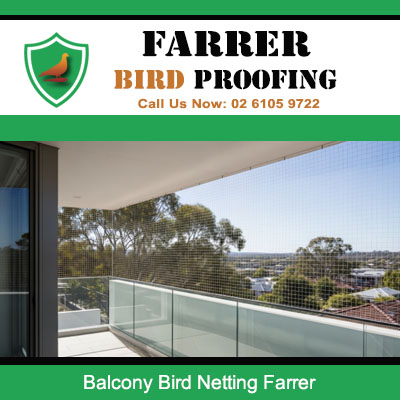
To control birds well, you need to understand their behaviour. Different species have different eating habits, nesting places, and ways they move around. For example, pigeons often stay in cities, while magpies are protective when nesting. Knowing this helps you choose bird control methods that are safe, kind, and work well to protect your home or business without harming local wildlife.
How do bird behaviours influence netting selection?
Bird behaviour affects what kind of netting you should use:
- Birds that live or feed in groups might need bigger netted areas with strong netting to keep them out.
- Birds with sharp beaks or claws, like magpies, require tougher netting to avoid damage.
- Small birds need fine mesh to stop them without trapping them.
- In cities or on balconies, netting should look good while still working well.
Knowing bird behaviour helps you pick bird control that keeps birds safe and avoids damage to your property.
What are the most effective ways to deter different bird species?
Using more than one method works best to keep birds away:
- Bird spikes: Stop birds from landing on edges or beams.
- Bird netting: Keeps birds from roosting or nesting by blocking access.
- Repellents: Safe sprays or natural products that birds don’t like.
- Sound and visual deterrents: Use lights or sounds that scare birds.
- Integrated pest management: Mix several methods to control birds, rodents, and other pests safely.
It is important to use humane methods that protect wildlife and give long-term results.
What maintenance is required to keep bird deterrents working?
To keep bird deterrents working well, regular care is needed:
- Check netting for holes, loose parts, or damage from weather or debris.
- Clean netting and hardware to stop mould, dirt, and pests from building up.
- Fix or replace broken netting quickly to keep the barrier strong.
- Use proper hardware like swages, crimps, screws, and turnbuckles to keep netting tight.
- Get professional help now and then to inspect and maintain your bird control setup.
Regular maintenance lowers the chance of birds coming back and protects your investment in bird control.
Did you find this guide on choosing bird netting useful? Share your bird problems or ask questions below. We offer expert advice and trusted solutions for your pest control needs. For a quote or professional installation, contact Farrer Bird Proofing today!
Professional Bird Netting Installation
What is involved in a typical netting setup?
Professional bird netting installation includes a well-planned process to provide strong, secure, and customised protection for your property. Whether it is balcony netting or large commercial bird netting projects, experts use quality materials like aluminium or stainless steel fasteners, girders, wire ropes, crimps, swages, and carabiners. These parts are connected tightly with screws and tension methods to make a reliable barrier that meets safety standards.
The hardware is chosen because it lasts long and resists weather damage, so the netting stays effective without affecting privacy or appearance. After installation, a full inspection makes sure all connections are secure and ethical practices are followed to protect native wildlife while controlling birds. Both residential and commercial projects are adapted to fit site needs and rules.
How long does a balcony bird netting setup usually take?
The time for balcony bird netting installation depends on the size, complexity, and weather conditions. Usually, an efficient and fast setup takes one to two days. Skilled staff first assess the site to plan resources and delivery, helping to reduce inconvenience for customers.
Expert teams use their experience to make the installation quick without losing quality or safety. Planning and preparation help the work go smoothly, even if weather changes. Customers get clear updates about progress and timing to keep them informed.
What preparation do I need to do before the setup starts?
To make installation easy, customers should clear the area where the netting will go. This means removing belongings from balconies or outdoor spaces so installers can work safely and without obstacles. Safety is key, so telling staff about any hazards or restricted zones helps keep everyone safe.
Before installation, a site survey and consultation check pest control needs and consider local and native wildlife. It is important to think about environmental impact, so getting any needed permissions or legal approvals beforehand is advised. Our customer service team will guide you on these steps to follow laws and support wildlife protection.
Farrer Area Bird Netting with Local Considerations
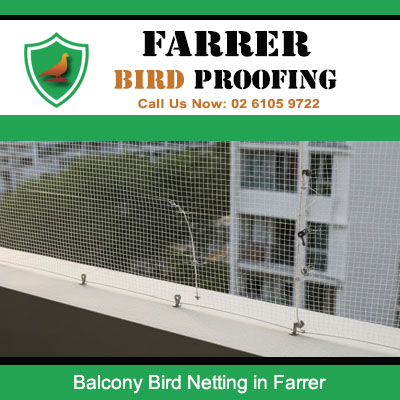
What local bird control regulations exist in Farrer?
In Farrer, bird control must follow strict local rules to protect wildlife and the environment. Government and council laws give clear instructions for bird netting installation. They require following Australian standards and ethical methods. Permits may be needed based on project size and location.
Following these rules makes sure bird control is humane and environmentally responsible. Residents and businesses in Farrer get expert advice to handle legal limits and avoid fines. Working with professionals who know Farrer’s council rules means installations meet all rules and support living alongside native species.
How do Farrer's weather conditions affect netting choices?
Farrer’s weather affects the materials used for bird netting. Strong UV rays, hail, rain, and high temperatures need netting that is tough and weatherproof. Stainless steel wire is strong and stops rust, while nylon and HDPE plastics are flexible and hard-wearing.
Materials often include fire-retardant features and resist strong winds. This helps the netting last longer and needs less care. Using netting made for Farrer’s climate means fewer repairs and better all-year protection. Regular upkeep also helps the netting last in tough weather.
What native species might interact with bird netting in the area?
Farrer has many native animals that may come near bird netting. These include magpies, pigeons, seagulls, possums, and sometimes kangaroos near bush areas. Good bird netting keeps wildlife safe and treats animals humanely.
Knowing how these species behave helps plan netting that avoids harm and allows animals to live peacefully nearby. Ethical methods make sure wildlife can move freely and stay safe. This protects your property and supports the local environment.
Have questions about bird netting installation in Farrer or want a personalised quote? Contact us today to speak with our expert team. Protect your home or business with reliable, ethical bird control made for the Farrer community.
FAQ
Q: Is bird netting installation disruptive to my daily routine?
A: No. Professional installers work quickly and communicate clearly to keep disruption low. Balcony netting is usually done within one to two days.
Q: Will bird netting harm native animals?
A: No. We use ethical methods and materials that protect wildlife and follow environmental laws.
Q: Do I need permission to install bird netting in Farrer?
A: Sometimes. Depending on your property and local council rules, permits might be required. Our team can help you get any needed approvals.
Q: How do weather conditions in Farrer affect bird netting?
A: Netting materials are chosen to resist UV rays, rain, hail, and wind. This ensures strong, long-lasting protection for the local climate.
Q: Can bird netting be customised for commercial and residential properties?
A: Yes. Installations are adjusted to match site size, type, and legal rules for both homes and businesses.
Maintaining Your Bird Netting for Long-Term Effectiveness
What cleaning methods should I use for bird netting?
Cleaning bird netting regularly helps keep it strong and working well to keep birds away. Over time, dirt, leaves, bird droppings, insects, and mould can build up and reduce how well the netting works. Use a soft brush or vacuum to gently remove loose debris without damaging the netting. You can also spray it with water mixed with a safe, eco-friendly cleaner to remove mould and droppings. Avoid harsh chemicals because they can harm the netting’s UV resistance, which protects it from sun damage. Regular cleaning keeps the netting looking good and lowers health risks caused by mould and bacteria.
How often should I inspect the netting for damage?
It is important to check your bird netting often to keep it strong and safe. Inspect the netting at least every three months or after bad weather such as storms or strong winds. Look for any tears, holes, sagging areas, or loose fasteners like crimps, swages, and other hardware. Weather can cause wear and tear that weakens the netting over time and makes it less effective. Finding damage early lets you fix it quickly before birds can get in or the problem gets worse. Having a maintenance schedule helps ensure the netting stays a strong barrier against pests.
What are signs that the netting needs repair or replacement?
You should know when to fix or replace your bird netting to keep it working well. Watch for these signs:
- Holes or tears where birds can get through.
- Sagging netting that has lost tension.
- Loose or missing fasteners that affect its strength.
- Frayed ropes or worn material due to weather damage.
- Birds still getting inside even with netting installed.
If the damage is small, quick repairs can make the netting last longer. But if the damage is serious or happens often, replacing the netting is better for safety and effectiveness.
Exploring Alternatives to Bird Netting
When is netting not the best solution for balcony bird control?
Bird netting works well in many cases but is not always the right choice. Some problems include:
- Balconies with unusual shapes or hard-to-reach places that make netting hard to install.
- Local rules that protect native wildlife or limit using netting.
- Concerns about appearance if netting does not suit the building’s look.
- Pets that could get caught or hurt in the netting.
- Certain birds that are aggressive or find ways around the netting.
In these cases, you should consider other ways to manage birds while following local laws and protecting wildlife.
Are there other deterrents that can be used in conjunction with netting?
Using other bird deterrents along with netting can improve bird control. Some options include:
- Bird spikes: Stop birds from landing on ledges and railings.
- Bird repellents: Safe sprays or gels that taste or smell bad to birds.
- Electronic deterrents: Devices that emit sounds birds dislike.
- Visual deterrents: Reflective tape, scare balloons, or fake predators.
- Sound deterrents: Recordings of bird distress calls or noise-makers.
These humane options work well with netting to handle different bird habits and improve control. They are also safe for people and the environment.
How do bird spikes compare to netting for balcony protection?
| Feature | Bird Spikes | Bird Netting |
|---|---|---|
| Effectiveness | Stops birds from landing | Blocks birds completely |
| Maintenance | Low; occasional cleaning | Needs regular checks and repairs |
| Installation | Easy on flat surfaces | More difficult on complex shapes |
| Cost | Usually lower upfront cost | Higher initial cost |
| Durability | Made of stainless steel or plastic | Made of UV-resistant materials |
| Safety | Humane; prevents landing without harm | Humane; keeps birds out |
| Aesthetic | Less visible | Visible but can be neat |
| Species Targeted | Works well on bigger birds | Blocks a wider range of birds |
Choosing between bird spikes and netting depends on your balcony type, bird species, and needs. Using both together often gives the best results.
Bird Proofing Farrer has many years of experience providing bird control solutions in Canberra. Our team offers effective and safe methods to protect your property while respecting the environment.
Ready to protect your balcony from bird damage? Contact us for a free quote and advice on bird netting and other bird control options.
FAQ
Q: How long does bird netting typically last with proper maintenance?
A: With regular cleaning and inspections, bird netting can last 10 years or more depending on weather conditions.
Q: Can I clean bird netting myself, or do I need professional help?
A: Homeowners can safely brush off debris and wash netting with mild cleaners. For large or hard-to-reach areas, professional cleaning is recommended.
Q: Are bird spikes safe for pets and children?
A: Yes, when installed properly with rounded tips and quality materials, bird spikes are humane and safe for people and pets.
Q: How do I know if local regulations affect my choice of bird control?
A: Rules differ by location. Check with your local council or a licensed bird control expert before installation.
Q: Is it better to replace damaged netting or repair it?
A: Small damage can often be repaired quickly and affordably. Large or repeated damage usually means replacement is best for long-term protection.
Please share your bird control questions in the comments or contact our team for expert advice made for your property. Your input helps us improve and protect more homes from bird problems.
Protecting Your Investment with Warranty and Aftercare
Investing in good-quality bird netting helps protect your property from bird damage. To keep this investment safe, it is important to know about the warranty and aftercare services available. A reliable warranty covers defects, while ongoing support keeps the netting strong and working well.
What is the warranty on the netting installation?
Professional bird netting installation should come with a clear warranty or guarantee. This covers both the materials and the installation work. Usually, warranties include:
- Coverage for defects and installation problems, with repairs or replacements if needed
- A set duration, often from 1 to 5 years depending on the brand and supplier
- Responsibility for repair or replacement when issues occur due to faults in manufacturing or installation
- Customer service support to help with warranty claims quickly
Farrer Bird Proofing offers full warranty terms backed by many years of experience and customer feedback. This warranty secures your investment by guaranteeing the quality and look of the netting over time.
What ongoing support is offered after installation?
Good customer service does not end after installation. Ongoing support includes:
- Regular inspections and advice on maintenance to keep your netting in good shape
- Quick repairs or replacement of damaged parts
- Professional help for any problems, such as loose fasteners or worn materials
- Follow-up service plans designed to meet your bird control needs
Experts are ready to give advice and fast help to avoid expensive repairs later. Keeping up with regular checks on balcony netting or Farrer bird netting improves pest control and protects your property.
What should I do if I encounter problems with the netting?
If you find damage or other issues with your bird netting, act quickly to stop bigger problems. Here’s what to do:
- Check the damaged area carefully to see what is wrong (like a tear or loose fastener)
- Contact your supplier or installer soon to report the problem
- Use your warranty to ask for repairs or replacement if the issue is covered
- Follow expert advice for temporary fixes until professional help arrives
- Avoid fixing it yourself, as this may void the warranty or hurt the netting’s performance
Responding fast keeps your bird protection system working and stops pests from entering your property.
Is bird proofing cost-effective in the long run?
Bird proofing may cost more at first, but it saves money over time. It stops damage, cuts down maintenance costs, and can even raise your property value. That makes bird netting an affordable choice for lasting pest protection.
What are the long-term savings of balcony netting?
Balcony netting saves money by:
- Stopping damage to balconies, walls, and structures that would be costly to fix
- Lowering maintenance caused by bird droppings, nests, and debris
- Making your property look better and increasing its market value
- Using strong materials that last many years, so you replace less often
- Giving peace of mind with good returns on your investment in bird and pest control
Choosing good bird netting for balconies, like Farrer balcony netting, gives you dependable and long-lasting protection that saves money over time.
How does bird damage prevention affect property values?
Bird damage hurts your property’s structure and look, which leads to expensive repairs and lower value. Preventing bird damage provides benefits like:
- Keeping your building in good condition and avoiding health risks
- Maintaining the outside appearance to attract buyers
- Protecting your asset by reducing damage from pests
- Increasing resale value because buyers prefer well-kept, protected homes
- Positive customer feedback showing how bird protection netting adds value
Farrer balcony bird netting helps protect your investment by combining pest control with preserving your property, supporting financial gains in the long term.
Can bird control deter other pests from the balconies?
Bird netting also keeps other pests away, including:
- Blocking rodents, insects, and termites that follow birds to nesting spots
- Offering a pest management approach that stops different pests at once
- Creating a safer environment by lowering infestations without harmful chemicals
- Helping keep balconies clean, safe, and free of multiple pests
Using bird control netting is a smart way to handle birds and other pests together. It works well for pest control in Farrer and nearby areas.
Have questions about bird netting warranty or long-term benefits? Contact us today for advice and a free quote. The team at Farrer Bird Proofing is ready to protect your property with tough, trustworthy bird control solutions. Share your experiences or ask questions below, we are here to help!
How can balcony bird exclusion protect my outdoor space from pests like birds and wildlife?
Balcony bird exclusion uses strong netting or enclosures to stop birds, foxes, and other wildlife from entering your balcony. This protects items like fruit trees, solar panels, and roofing from damage while keeping the environment safe for animals.
What types of netting are best for securing balconies against birds and insects?
Commercial bird netting comes in different mesh sizes such as 20mm or 50cm to suit various pests. Materials like copper-infused or high-resistance polyethylene nets last longer. Fully installed safety netting also helps keep out smaller creatures like mice and spiders.
Are there specialised balcony enclosures available for environments near orchards or vineyards?
Yes, you can get balcony enclosures designed for urban sites near orchards, vineyards, or aquaculture areas. These usually include strong eyelets and weighted skirts around 50cm to keep the nets tight and weather-resistant against pests.
How do you install balcony safety netting around sensitive items like solar panels or pipes?
Installation should avoid harming solar panels, roof eaves, and pipes. Using narrow mesh netting such as 3mm or 5mm lets air pass through and controls insects without blocking equipment. Strong anchors keep the netting secure and easy to maintain.
Can bird netting help reduce problems caused by animals like vipers or hogs?
Yes, good bird protection with mesh sizes around 75mm and secure awnings can stop animals like hogs and vipers from nesting on your balcony while keeping it safe for people.
Is the netting resistant to weather, and does it need regular care?
High-quality bird netting is made to resist UV rays, rain, and wear, especially in Australian climates. Regular checks and cleaning help keep it effective and looking good. Following care instructions prevents harm to wildlife.
What benefits do weighted skirts and copper parts add to bird control setups?
Weighted skirts about 50cm long keep nets tight and block entry by small birds and animals. Copper parts resist rust and make eyelets and attachments last longer, improving the whole bird netting system.
How do experts choose the right bird netting for a site?
Experts visit the site to study the types of birds, pests, building details, and surroundings. They pick the best mesh size, materials, and installation method to give you a safe and effective solution that fits your property.
For advice or a free onsite quote, please contact us today to protect your balcony with reliable bird proofing solutions.
Farrer Balcony Bird Netting Insights
- We offer effective Farrer balcony bird exclusion and protection solutions that keep your outdoor areas free from birds and insects without harming wildlife.
- Our Farrer balcony enclosures use strong polyethylene nets with narrow mesh to block small pests like fruit flies and spiders, making them perfect for homes and orchards.
- These netting systems fit well with solar panels, roofing, and structures like pipes, awnings, and roof eaves. Features include weighted skirts, copper-infused materials, and sturdy eyelets for secure installation.
- By offering various net variations, we provide reliable bird control that protects fruit trees, gardens, and aquaculture sites from animals such as vipers, mice, and hogs.
- Our nets resist weather and UV damage while keeping friendly birds and other wildlife safe in your area.
- Clear instructions help you seal all gaps quickly and safely, reducing the risk of injury and protecting nearby plants and animals.
- For dealing with insects and bugs, we provide repellents and deterrents that work well with the netting. This helps lower the need for baits and electric traps, creating a healthier pest-free space.
- Our experienced team across Australia offers custom bird protection plans for homes, farms, and commercial properties with care and confidence.
- Regular checks on key spots like narrow mesh, roofing, and screens keep the nets strong and working well for longer.
- Get in touch today for a fast, reliable quote and installation service that combines safety and flexibility for your Farrer balcony safety netting and bird-proofing needs. Latitude: -35.3762203711201, Longitude: 149.1016095164622